Light vs Medium vs Dark Roast: How to Choose the Right One
Roast level is one of the first choices you make when buying coffee, and it is one of the most confusing. Is dark roast stronger? Does light roast taste sour? Which one works best in your coffee maker?
Our founder, Maria Montero, roasts every Aviadora order to order in Naples, Florida, so we get these questions every day. Here are honest, simple answers.
What happens when coffee is roasted?
Green coffee beans are hard, grassy and nothing like the coffee you drink. Roasting heats them until they turn brown and develop aroma and flavor. According to the National Coffee Association, beans reach internal temperatures of over 400°F during roasting.
The longer and hotter the roast, the darker the bean. Roast level is simply a way to describe how far that change has gone.
Roasting does not change where a coffee came from, but it changes how much of that origin you can taste. A fruity Tarrazú natural shows its berry notes most clearly at a lighter roast, and turns rounder and more roasty as it goes darker.
What do light, medium and dark roasts taste like?
The National Coffee Association groups roasts into three color families:
- Light roast: light brown with a dry, matte surface. The roasted taste is subtle, so more of the coffee's own character comes through, like fruit, flowers and bright acidity.
- Medium roast: medium brown, not oily, with a fuller, rounder flavor. In the United States it is often called American roast.
- Dark roast: shiny, oily, nearly black beans with pronounced bitterness and bold roasty flavors. French and Italian roast are names for dark roasts.
A simple way to think about it: the lighter the roast, the more you taste the farm. The darker the roast, the more you taste the roast.
Does dark roast have more caffeine?
No. This is one of the most common coffee myths. A bold, dark flavor does not mean more caffeine. The National Coffee Association notes that light roasts actually have slightly higher caffeine content.
The difference is small, though. How much coffee you use and how you brew it matter far more for caffeine than roast level does.
If you want more of a kick, use a little more coffee or brew a bigger cup. If you want less, use a smaller dose instead of switching roasts.
How does roast level change acidity and body?
Acidity in coffee is the bright, lively, juicy quality you taste on your tongue, not the same as sourness. The National Coffee Association puts it simply: the lighter the roast, the more acidic the brewed coffee. Darker roasts taste less acidic.
Body is how heavy the coffee feels in your mouth. Medium and darker roasts tend to feel rounder and heavier, which is why they stand up so well to milk.
- Want bright and lively? Go lighter.
- Want smooth and mellow? Go medium to dark.
If a light roast tastes sharp or sour to you, it may not be the roast at all. Try grinding a little finer or brewing a little longer before you give up on it. Under extracted coffee often tastes sour, no matter the roast.
Which roast works best with your brew method?
There are no strict rules, but these pairings are a good place to start:
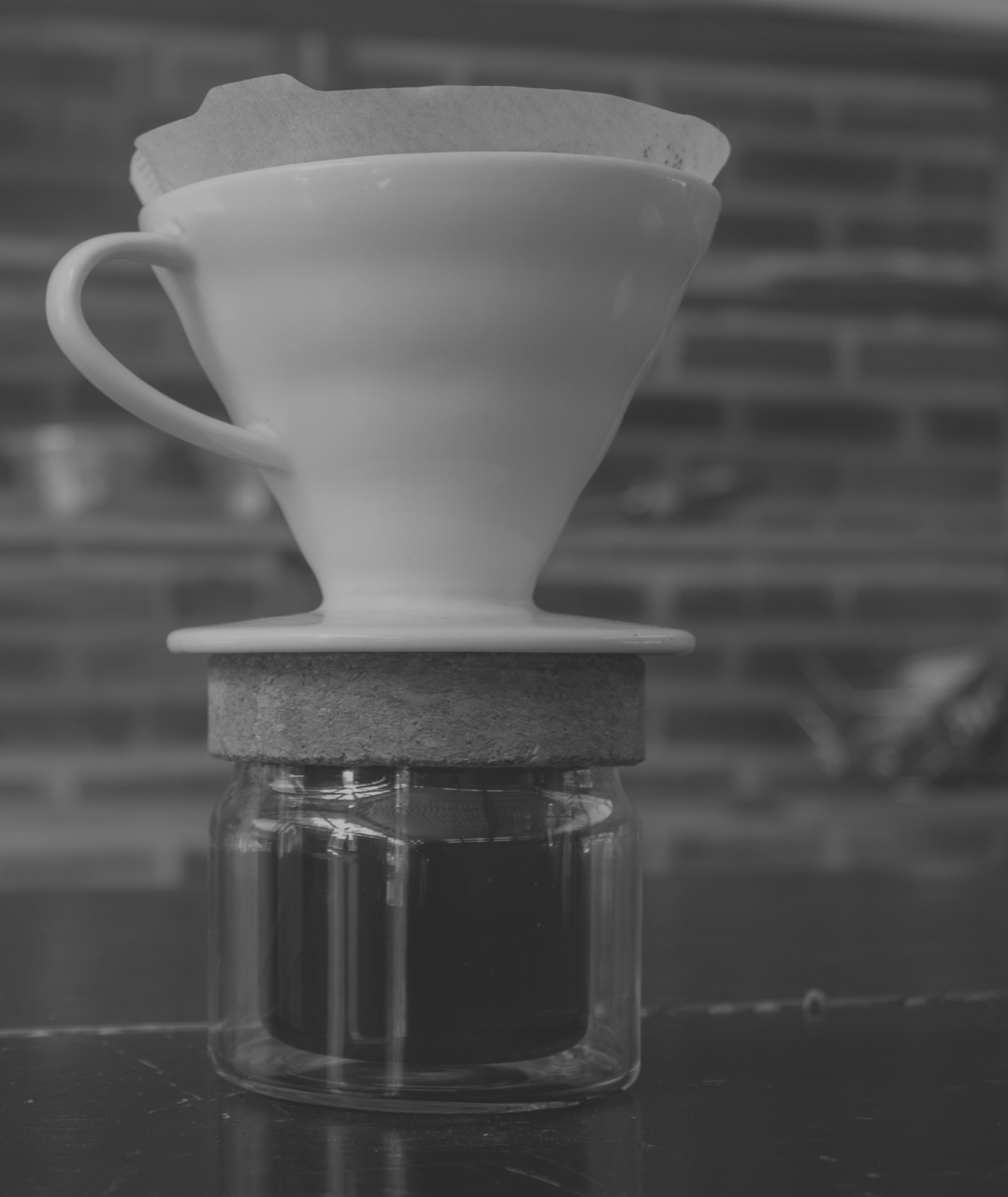
- Pour over and filter: light to medium roasts. The paper filter and gentle brew let fruit and acidity shine.
- French press: medium roasts, for a fuller body.
- Espresso, cappuccino and latte: medium to darker roasts, which taste sweet and rich under pressure and cut through milk.
For pour over, the National Coffee Association recommends 1 gram of coffee for every 13 to 16 grams of water. For espresso, it suggests about 1 gram of coffee in for 2 grams of espresso out. Those ratios work with any roast, so start there and adjust to taste.
Whatever you choose, use fresh beans and grind them right before brewing.
Which Aviadora roast should you pick?
Every Aviadora coffee can be roasted four ways, and Maria roasts each bag after you order:
- Light: the most fruit and brightness. Lovely with Natural Reposado in a pour over.
- Light-Medium: our favorite for beginners. Sweet, balanced and forgiving in almost any brewer.
- Medium-Dark: richer and rounder, great for espresso and milk drinks.
- Roaster's Recommendation: tell us how you brew, and Maria tailors the roast to your method.
Not sure? Choose Roaster's Recommendation in our shop, or let us handle it with a subscription. Jet A is made for pour over and filter, and Espresso Altitude is made for espresso, cappuccino and latte.
Frequently asked questions
Is dark roast stronger than light roast?
Dark roast tastes bolder, but it is not stronger in caffeine. According to the National Coffee Association, light roasts have slightly more caffeine. Your dose and brew method matter more than roast level.
Which roast is least acidic?
Darker roasts taste less acidic, and lighter roasts taste more acidic. If you want a smooth, mellow cup, a medium or medium-dark roast is a good choice.
What roast is best for beginners?
A light-medium roast is a great starting point. It is sweet and balanced, keeps some of the coffee's natural fruit, and is forgiving in almost any brewer.
What roast is best for espresso?
Most people enjoy medium to medium-dark roasts for espresso, especially with milk. If you are not sure, choose Roaster's Recommendation and tell us you brew espresso.
Sources
- National Coffee Association (About Coffee): Coffee Roasts Guide
- National Coffee Association (About Coffee): Pour Over Coffee
- National Coffee Association (About Coffee): Espresso
Informational only. Brewing results vary with your water, grinder and equipment.