Natural vs Washed vs Honey Process: How Processing Changes Your Coffee
Every coffee bean starts life as the seed inside a small red fruit called a coffee cherry. Before it can be roasted, that seed has to be separated from the fruit and dried. How a farm does that is called processing, and it changes the flavor in your cup almost as much as where the coffee grew.
Our family has processed coffee in Tarrazú, Costa Rica, for four generations. Here is how the three main methods work and what each one tastes like.
What is coffee processing?
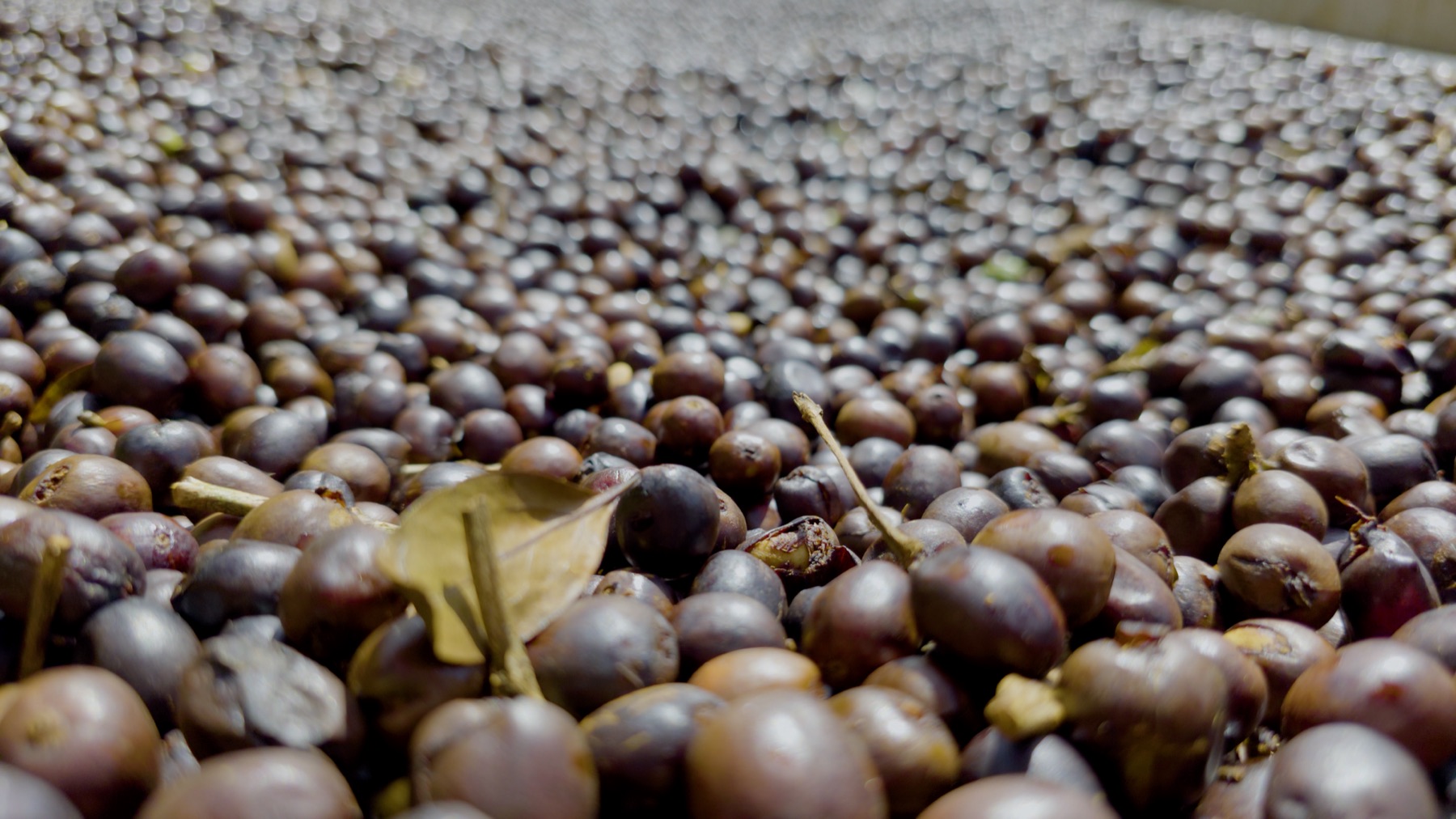
A coffee cherry has layers. On the outside is the skin. Under the skin is the fruit pulp, then a sticky, sugary layer called mucilage, then a thin papery shell called parchment, and finally the seed, which is the coffee bean.
Processing is the set of steps that removes those layers and dries the bean down so it can be stored and shipped. The big question is simple: how much of the fruit stays on the bean while it dries? The answer shapes sweetness, acidity, body and fruitiness.
What is washed coffee?
In the washed process, the skin and fruit are removed soon after picking. The beans then ferment so the mucilage loosens, are washed clean, and dry inside their parchment.
Because almost nothing from the fruit stays on during drying, the flavor comes mostly from the bean itself. Perfect Daily Grind describes washed coffees as offering the clearest view of an origin's character, which is why so many specialty coffees are washed.
- Typical flavor: clean, bright, crisp acidity.
- Good for: tasting exactly what a farm and variety can do.
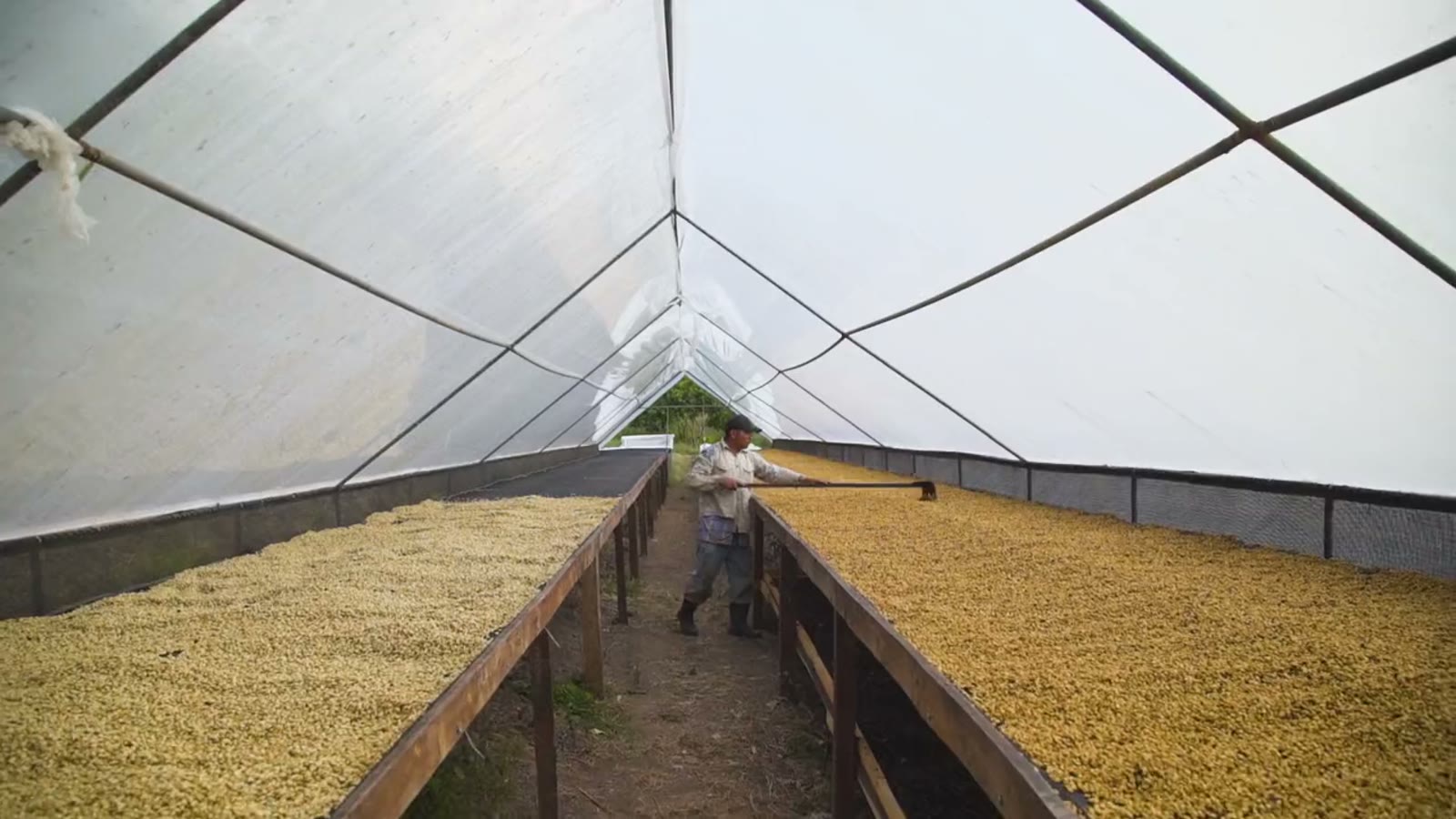
Washed coffee is the traditional style in Costa Rica. According to ICAFE, Costa Rican mills remove the pulp the same day the coffee is picked. Sun drying takes about 7 days, while mechanical dryers can bring the coffee down to its target of 12 percent moisture in about 24 hours.
What is natural or dry process coffee?
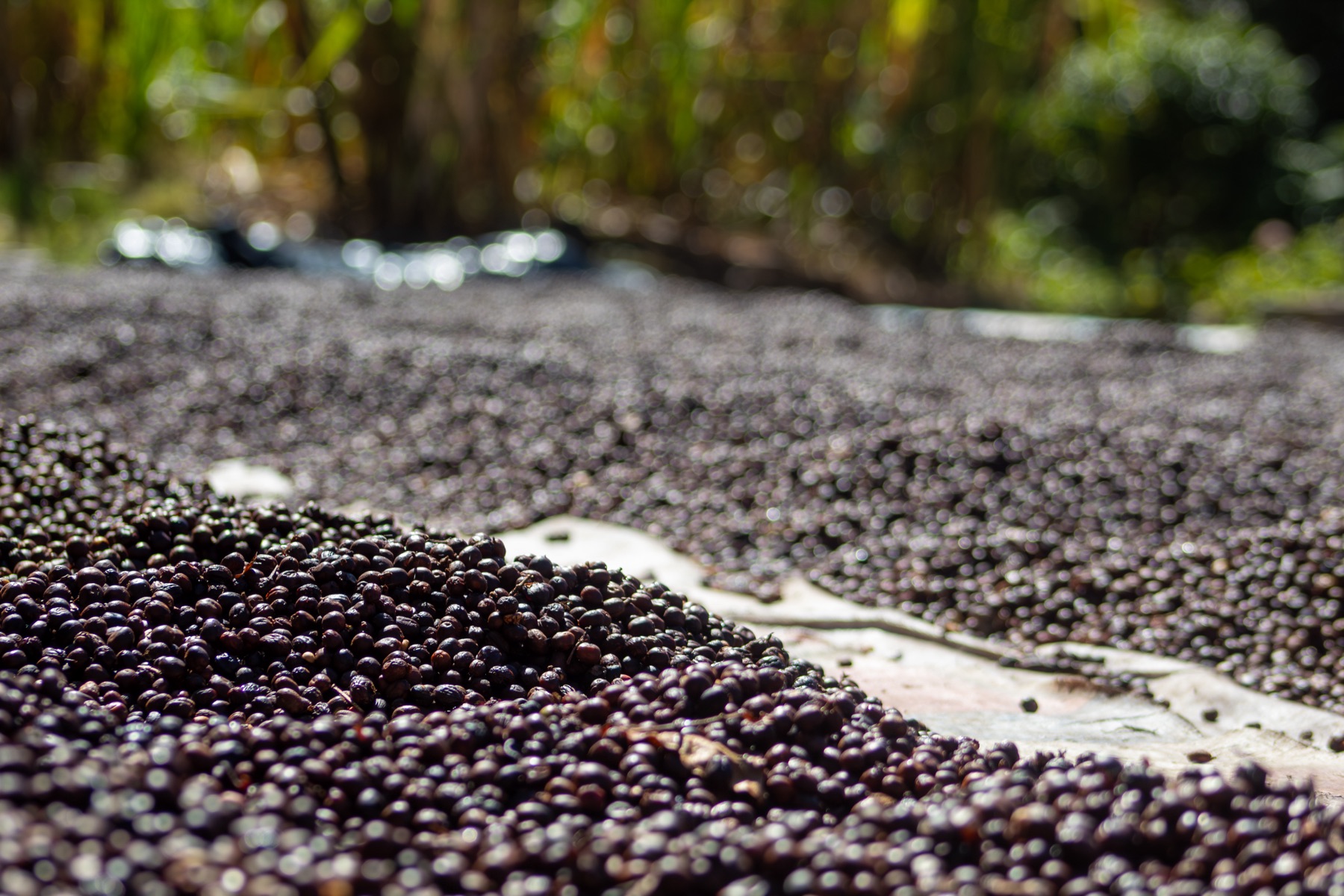
In the natural process, the whole cherry is dried with the fruit still on, like a raisin, and the dried fruit is removed afterward. The method began in Ethiopia and depends on good weather, since the fruit has to dry in time.
All that contact with the fruit tends to make the cup sweeter and fruitier. When it is done well, a natural can be clean and still taste like berries or tropical fruit.
- Typical flavor: fruity, sweet, fuller body.
- Good for: people who love berry and wine like notes.
What is honey or semi-washed coffee?
Honey processing sits between washed and natural. The skin is removed, but some or all of the sticky mucilage stays on the bean while it dries. It has nothing to do with real honey. The name comes from how sticky the beans feel.
Perfect Daily Grind notes that honey processing is strongly associated with Costa Rica. Producers control how much mucilage stays on, and more mucilage usually means a sweeter cup with more body. You may see names like yellow, red or black honey, which describe that amount.
Honey processing also uses much less water than washing, one reason it has grown in popularity over the years.
- Typical flavor: sweetness like honey or brown sugar, rounder acidity than washed, full body.
- Good for: a balance of brightness and sweetness.
How do our two coffees show the difference?
We grow and process both of our coffees on family farms in Tarrazú, and each one shows a different side of processing.
Natural Reposado comes from Finca Temática at 1,600 meters, shade grown and pesticide free beside a wildlife refuge. The varieties are Ethiopian Typica, Bourbon and Java. It is a natural process coffee, and the cherries rest and ferment for 48 hours before drying. In the cup you get cherry, raspberry, juicy malic acidity, a creamy body and a long sweet finish.
Semi-Washed comes from Finca La Pastora at 1,900 meters (6,234 feet). We remove the skin and keep part of the mucilage on while it dries, the same idea as honey processing. It tastes of caramel and ripe fruit, with balanced sweetness, bright acidity and a silky finish.
Which process should you choose?
There is no best process, only the one you enjoy most. A simple way to think about it:
- If you like bright, fruity, adventurous cups, start with a natural like Natural Reposado.
- If you like sweet, balanced, easy drinking cups, start with a semi-washed or honey coffee like Semi-Washed.
- If you cannot decide, try both side by side. It is the fastest way to learn what processing does.
You can find both in our shop, each roasted to order in Naples, Florida.
Frequently asked questions
What is the difference between washed and natural coffee?
Washed coffee has the fruit removed before drying, so it usually tastes clean and bright. Natural coffee dries with the whole fruit still on, so it usually tastes sweeter and fruitier.
Is honey process coffee made with honey?
No. Honey process means some of the sticky mucilage stays on the bean while it dries. The name comes from how sticky the beans feel, not from any honey.
Is semi-washed the same as honey process?
They are closely related. Both remove the skin and leave some mucilage on the bean during drying, and the names are used differently from country to country. Our Semi-Washed keeps part of the mucilage while it dries.
Which process tastes the sweetest?
Natural and honey processed coffees usually taste sweeter than washed coffees, because the bean dries in contact with the sugary fruit. Washed coffees tend to taste cleaner and more acidic.
Sources
- Perfect Daily Grind: Washed, Natural, Honey: Coffee Processing 101
- Perfect Daily Grind: What Is Honey Processed Coffee and How Is It Produced?
- Instituto del Café de Costa Rica (ICAFE): El Mejor Café del Mundo
Informational only. Brewing results vary with your water, grinder and equipment.